In the realm of fluid control systems, valves play a crucial role in regulating the flow of liquids, gases, and other substances. Among the various types of valves available, threaded valves and flanged valves are two commonly used options, each with its own unique characteristics and applications. As a threaded valve supplier, I have witnessed firsthand the differences between these two valve types and understand the importance of choosing the right one for specific projects. In this blog post, I will delve into the key differences between threaded valves and flanged valves, highlighting their advantages, disadvantages, and typical use cases. Threaded Valve
Design and Construction
One of the most apparent differences between threaded valves and flanged valves lies in their design and construction. Threaded valves, as the name suggests, feature threaded connections that allow them to be screwed onto pipes or fittings. These threads can be either male or female, depending on the specific application. The threading provides a secure and leak – tight connection, which is relatively easy to install and remove.
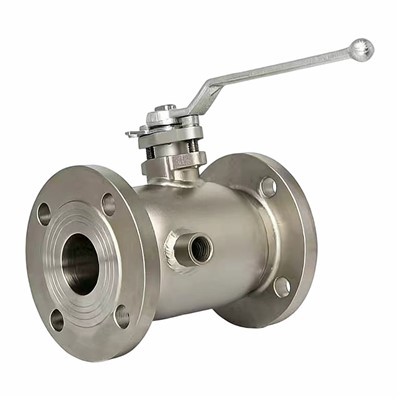
On the other hand, flanged valves have flanges at both ends. Flanges are flat, circular discs with holes around the perimeter. These flanges are bolted together with gaskets in between to create a seal. The flange connection is more robust and can withstand higher pressures and temperatures compared to threaded connections.
Installation Process
The installation process of threaded valves and flanged valves also differs significantly. Threaded valves are generally easier and quicker to install. All that is required is to align the threads on the valve with those on the pipe or fitting and then screw the valve into place. This can often be done using simple hand tools, making it a popular choice for small – scale projects or applications where quick installation is necessary.
In contrast, installing flanged valves is a more complex process. First, the flanges on the valve and the pipe must be precisely aligned. Then, gaskets are placed between the flanges to ensure a proper seal. Bolts are inserted through the holes in the flanges and tightened to the specified torque. This process requires more time and specialized tools, such as torque wrenches, to ensure a secure and leak – free connection.
Pressure and Temperature Ratings
Flanged valves typically have higher pressure and temperature ratings compared to threaded valves. The flange connection provides a more rigid and secure seal, which can withstand greater forces. This makes flanged valves suitable for high – pressure and high – temperature applications, such as in industrial processes, power plants, and oil and gas pipelines.
Threaded valves, while still capable of handling a wide range of pressures and temperatures, are generally more limited. Their smaller size and the nature of the threaded connection make them more suitable for lower – pressure and lower – temperature applications, such as in residential plumbing systems or small – scale industrial operations.
Flow Capacity
The flow capacity of a valve is an important consideration in many applications. Flanged valves usually have a larger flow capacity due to their larger size and the absence of any restrictions caused by threads. This makes them ideal for applications where a high volume of fluid needs to be transported, such as in large – scale water distribution systems or industrial process lines.
Threaded valves, on the other hand, have a relatively smaller flow capacity. The threads inside the valve can create some resistance to the flow of fluid, reducing the overall flow rate. However, for applications where a lower flow rate is sufficient, such as in household faucets or small – diameter pipes, threaded valves are a practical choice.
Cost
Cost is always a factor when choosing between different valve types. Threaded valves are generally less expensive than flanged valves. The simpler design and installation process of threaded valves contribute to their lower cost. This makes them an attractive option for budget – conscious projects or applications where cost is a major consideration.
Flanged valves, due to their more complex design, higher pressure and temperature ratings, and larger size, tend to be more expensive. The cost of the flanges, gaskets, and bolts, as well as the labor required for installation, all add to the overall cost. However, in applications where the performance and reliability of flanged valves are essential, the higher cost may be justified.
Maintenance and Repair
Maintenance and repair are important aspects to consider when choosing a valve. Threaded valves are relatively easy to maintain and repair. If a threaded valve develops a leak or malfunctions, it can often be removed and replaced with a new one using simple tools. In some cases, the threads can be cleaned or re – threaded to restore the valve’s functionality.
Flanged valves, while also repairable, require more effort and expertise. Disassembling a flanged valve involves removing the bolts, gaskets, and flanges, which can be time – consuming. Additionally, the gaskets may need to be replaced regularly to ensure a proper seal. However, the robust design of flanged valves often means that they require less frequent maintenance compared to threaded valves.
Applications
The choice between threaded valves and flanged valves depends largely on the specific application. Threaded valves are commonly used in residential and commercial plumbing systems, where lower pressures and smaller pipe sizes are the norm. They are also suitable for applications such as irrigation systems, small – scale chemical processing, and laboratory equipment.
Flanged valves are widely used in industrial applications, including oil and gas production, power generation, and chemical processing. Their ability to handle high pressures and temperatures, as well as their large flow capacity, makes them ideal for these demanding environments.
Conclusion

In conclusion, threaded valves and flanged valves have distinct differences in design, installation, performance, cost, and applications. As a threaded valve supplier, I understand that the choice between these two valve types depends on a variety of factors, including the specific requirements of the project, the budget, and the operating conditions. Threaded valves offer simplicity, ease of installation, and cost – effectiveness, making them suitable for many low – pressure and small – scale applications. Flanged valves, on the other hand, provide higher performance, greater reliability, and larger flow capacity, making them the preferred choice for high – pressure and high – temperature industrial applications.
Check Valve If you are in need of threaded valves for your project, I invite you to reach out to discuss your specific requirements. Our team of experts is ready to assist you in selecting the right valve for your application and providing you with high – quality products and excellent service.
References
- "Valve Handbook", Crane Co.
- "Fluid Mechanics and Hydraulics", R. L. Daugherty and J. B. Franzini
- "Industrial Valves: A Guide to Selection", Valve Manufacturers Association of America
Xiongxiang Valve Group Co., Ltd.
As one of the most professional threaded valve manufacturers and suppliers in China, we’re featured by quality products and good price. Please rest assured to wholesale cheap threaded valve for sale here from our factory. Contact us for more details.
Address: Building 1, No.306, 12th Binhai Road, Jinkai District, Wenzhou City, Zhejiang Province, China
E-mail: info@xiongxiangvalve.com.cn
WebSite: https://www.steelvalvegroup.com/
