Hey, so you’ve got a gate valve that’s being a total pain? Don’t sweat it— I’m not here to give you some stuffy engineering manual nonsense, just real, hands-on tips from a gate valve supplier who’s seen basically every stupid, annoying issue these things can throw at you. I’ve been dealing with gate valves day in and day out for years, getting calls at 2 a.m. from guys panicking because their line’s messed up, so I know exactly where most problems come from. Let’s walk through troubleshooting step by step, no confusing jargon unless it’s actually necessary, and by the end you’ll either fix it yourself or know exactly what we can help you with. Gate Valve
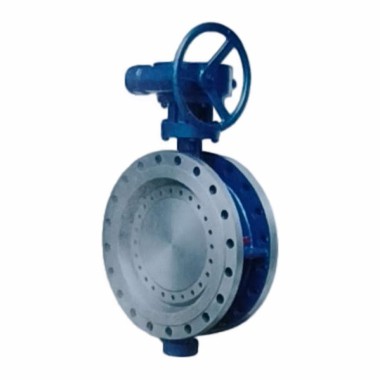
First, let’s get one thing straight: gate valves are super simple on the inside, right? It’s just a wedge moving up and down to open/close a flow path. Most issues aren’t because the valve’s garbage quality (though yeah, some cheap ones are), they’re because it’s been sitting too long, got dirty, or someone messed with it wrong. I’ve had guys call me saying their valve won’t open, and 9 times out of 10 it’s something we could’ve fixed over the phone in 2 minutes. Let’s start with the easiest checks first— don’t jump to tearing the whole thing apart or buying a new valve yet.
Let’s kick off with the basics: is the valve even supplied with pressure? Sounds dumb, but I’ve wasted so much time on this. If it’s a manual valve, check the actuator or the handle first. Wait— is the handle all the way where it needs to be? Sometimes it feels like it’s seated, but it’s actually half-twisted. If it’s a gear actuator, maybe the gearbox slipped? I once had a customer swear their valve was “stuck closed” when the gearbox bolt had just come loose and the handle was spinning for nothing. For electric actuators? Check the power supply— is the breaker tripped? Did someone pull the plug by accident? A lot of times those little circuit breakers on the actuator panel flip when the pump kicks on. Also, check if the override switch is engaged— some actuators have a handwheel you can use manually, and if that’s flipped, the electric motor won’t work. That’s a classic.
Next up, if it moves but won’t seal— that’s another super common call. Like, you close the gate, but stuff’s still leaking through, or it’s dripping like a faucet. First, check if the valve’s actually fully closed. Wait until the line pressure’s down, then go twist the handle one more time— sometimes it only needs a quarter turn more to seat tight. Also, make sure there’s no debris in the line before the valve. If that line’s got grit, rust flakes, or pipe scale, that stuff can get between the gate and the seat, keeping it from sealing. I’ve had guys blow out the line on both sides of the valve with compressed air, and the leak was gone. Just turn the valve partway open, don’t yank it, and blast both ends— that’s enough to flush out small junk. If it’s a buried valve, maybe there’s dirt or mud packed around the stem? That can mess with how the gate aligns with the seat. I’ve had guys dig around the stem a little, clean the top off, and the seal fixed.
Now, the big one: it’s totally stuck— won’t move at all, either open or closed. That’s when people panic, but don’t give up yet. First, if it’s been sitting in one position for months, that’s almost always the issue. The gate’s wedged right against the seat, and corrosion or debris has welded it in there. Wait— is the line pressurized? If it’s under pressure, never try to force it. That’s a surefire way to break the stem or snap the handle. If you can bleed the pressure safely, do that first— no pressure means way less force holding the gate in place. Once pressure is down, put a pipe extension on the handle to get more leverage— not a cheater bar that’s too long, just enough extra arm to get a steady push or pull. Wiggle it back and forth gently, don’t yank hard. Sometimes a light tap on the handle or gearbox with a rubber mallet helps jar it loose— metal-on-metal might work too, but be careful not to crack something. If that doesn’t work, you can put a little penetrating oil on the stem around the packing area, but wait— don’t spray it on the gate itself, that’ll just get inside the line. Let that sit for an hour, give it another wiggle. I’ve had one valve that’d been closed for 2 years, and that plus pipe extension got it moving.
If it’s still stuck after that, maybe it’s the stem that’s seized. The stem is the long rod that connects the handle to the gate. Sometimes moisture gets on it, or packing (that’s the stuff around the stem to stop leaks) gets too tight and grinds into the stem. You might need to adjust the packing gland— that’s the nut around the stem, usually on top of the valve. Loosen it a little, not a lot, just enough to take pressure off the stem. Don’t loosen it too much, though, or you’ll get leaks. Then try moving the stem again. If the stem’s actually corroded, you might have to take the top of the valve off, clean it, but that’s more work. Also, check if the actuator’s stuck— if it’s electric, maybe the motor burned out, or the limit switch is set wrong. I’ve had limit switches that were adjusted too tight, so the motor would stop before the valve was fully open or closed. That’s a quick fix, just pop the actuator cover and adjust the limit screws.
Another common issue: it’s leaking from the stem, not the seat. You’ll see fluid dripping out the top where the stem comes through. That’s almost always the packing gland. First, check if it’s just a little weep— some packing’s supposed to have a tiny leak to lubricate the stem, depending on the valve size and pressure. But if it’s dripping a lot, tighten the packing gland nut a little, in small increments— like a quarter turn at a time. Don’t cram it down too hard, though, that’ll make the stem seize up again. If tightening doesn’t work, you might have to replace the packing rings. Those are cheap, we sell them by the set, super easy to swap out— just loosen the gland, pull out the old rings, push in new ones, tighten up the gland again. That’s way cheaper than buying a whole new valve.
Wait, what if the valve’s making a grinding or scraping noise when you move it? That’s a sign something’s wrong with the gate or seat. Probably debris is stuck between them, or the gate’s bent. If it’s debris, flushing the line might help, but if it’s a bent gate, that’s a bigger deal. Sometimes a small bend can be fixed by carefully tapping the gate back into shape, but if it’s bad, you’ll have to replace the gate or the whole valve. I always tell customers: if you’re dealing with high pressure or corrosive stuff, don’t mess around with a bent gate— that can cause leaks or even blow the valve apart.
And let’s talk about old valves. If your gate valve is 20+ years old, made of cast iron, and it’s been through a lot— maybe it’s just at the end of its life. Corrosion on the internal parts is inevitable over time, especially if the fluid isn’t kind. Don’t waste 5 hours trying to fix a valve that’s already worn out. We see that all the time— guys try to patch up a 30-year-old valve for a job that’s supposed to last 5 more years, and it fails, costing them way more downtime than if they’d just replaced it with a new one.
Wait, I should also mention something about not overworking gate valves. A lot of people think gate valves are for throttling flow— opening them partway to control how much stuff goes through. That’s a huge mistake! Gate valves are for fully open or fully closed only. If you leave them halfway, the gate will vibrate, wear out the seat fast, and cause leaks. I’ve had countless customers call me because their valve is leaking, and it’s because they’ve been throttling it for months. That’s a easy fix: next time, open it all the way until it stops, then back it off a quarter turn so you don’t over-tighten. That’s the right way to use a gate valve.
Now, if you’ve tried all these steps and it’s still not working, don’t stress. That’s when it’s time to call a pro, or us if you’re looking for a replacement. No matter what kind of gate valve you have— we work with all sizes, from small residential ones to big industrial ones— we can help. We don’t push super expensive valves if you don’t need ’em, but we also don’t sell junk that’ll break on you in a year. We’ll ask you a few simple questions: what’s the valve size, what fluid’s it handling, what pressure is it under, and what’s it not doing right? We’ll talk you through it, send parts if you need ’em, or even ship a new valve fast if the old one’s done for.
Just to recap the most important stuff so you don’t have to scroll back: start with the basics (pressure, actuator power, handle alignment), check for debris in the seat, don’t force a pressurized valve, adjust the packing for stem leaks, and never throttle a gate valve. Most issues are super simple to fix if you take it step by step, not panic. I’ve been in this game long enough to know that 90% of gate valve problems aren’t rocket science— they’re just little things people overlook.
If you’re dealing with a stuck valve, a leaky one, or just need a new one, hit us up. We can walk you through the troubleshooting over the phone, send parts same day if needed, and get you set up with a valve that actually works for your setup, no overcharging, no runaround. Don’t waste time messing with something that could be fixed fast, or wasting money on a bad valve that’ll just cause more problems. Let’s get your line back up and running.
Check Valve References:
- Valve Manufacturers Association. (2021). Troubleshooting Guide for Gate Valves. VMA Technical Bulletin 12-21.
- Miller, T. (2019). Practical Valve Maintenance for Industrial Piping Systems. Professional Fluid Control Journal, 34(2), 45-52.
- ASME B16.34. (2020). Valves – Flanged, Threaded, and Welding End. American Society of Mechanical Engineers.
- Smith, J. (2022). Common Failures and Mitigation for Gate Valves in Municipal Water Systems. Water Infrastructure Report, 18(4), 112-118.
Xiongxiang Valve Group Co., Ltd.
As one of the most professional gate valve manufacturers and suppliers in China, we’re featured by quality products and good price. Please rest assured to wholesale cheap gate valve for sale here from our factory. Contact us for more details.
Address: Building 1, No.306, 12th Binhai Road, Jinkai District, Wenzhou City, Zhejiang Province, China
E-mail: info@xiongxiangvalve.com.cn
WebSite: https://www.steelvalvegroup.com/
