Hey everyone, if you’re in the yarn or textile production game, you know the roving frame machine isn’t just another piece of equipment—it’s the bridge between your fine carded sliver and the strong, workable roving that feeds into your spinning frames. I’ve been supplying these machines for years, and let me tell you, I’ve seen firsthand how a roving frame running at 85% efficiency vs. 98% efficiency can make or break a week’s output, eat into profits, or even lead to missed client deadlines. Today, I want to break down all the real, hands-on factors that affect how well these bad boys run, no super jargon, just what I’ve learned from working with spinners big and small across the globe. Roving Frame Machine
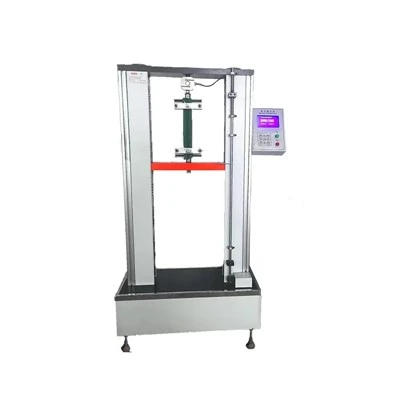
First off, let’s get one thing straight: efficiency here isn’t just about how fast the machine runs. It’s about total productive time vs. downtime—like, if it’s moving fast but breaking roving every two minutes, that’s not efficiency, that’s chaos. I’ve seen so many new operators fixate on RPMs and forget about the basics that cause stops. Let’s start with the first big factor: sliver quality going into the roving frame. I can’t stress this enough, because garbage in = garbage out. If the carded sliver coming from your previous process has too much neps (those tiny, tangled fiber clumps), uneven thickness, or a messy fiber alignment, the roving frame can’t compensate for that. Like, if the sliver is spotty, the drafting system on the roving frame has to stretch it more evenly, which puts more stress on individual fibers, leading to breaks. I had a customer in Turkey a year back who was blaming his roving frame for constant stops, turned out his carding machine was skipping a lot of short fibers, making sliver with way too many thick spots. Once he fixed that pre-process, his roving frame efficiency jumped 12% almost overnight. It’s not the machine’s fault if the input is bad.
Next up: the drafting system itself, and let’s be real, this is the heart of the roving frame. Most modern roving frames have 3-roller drafting systems, right? The rollers—their condition, alignment, and pressure make all the difference. If the rollers are worn down, like the rubber covering is cracked or smooth from years of use, they don’t grip the sliver evenly. That causes slippage, where some fibers get stretched too much and others not enough, leading to uneven roving weight and breaks. I’ve had clients who skipped replacing roller covers until they were visibly damaged, and their efficiency was dropping 5-7% a month just because of that. Also, alignment is huge. If the top and bottom rollers aren’t perfectly level, you get what’s called “roller creep” where the sliver shifts to one side, tangles, and snaps. I always tell my customers to do a quick roller alignment check every week—just use a straightedge to make sure all rollers are in line. It takes 10 minutes, saves hours of downtime. And don’t forget draft pressure. Too little pressure, and rollers slip. Too much, and you crush the fibers, break them, and cause more neps. A lot of new operators crank up pressure to stop slippage, but that’s a band-aid, not a fix. They should adjust pressure based on fiber type—cotton needs different pressure than polyester, and even fine cotton vs. coarse cotton is different.
Then there’s roving twist and spindle speed, which are tied together but worth talking about separately. Twist is what gives the roving strength so it doesn’t break on its way to the spinning frame. But too much twist makes the roving stiff, hard to draft later, and too little twist means it snaps during winding or transfer. Finding the sweet spot here is key, and it depends on what you’re making—coarser yarns need less twist than fine, high-count ones. I had a customer in India who was making fine 40s yarn, and he was running twist at 1.8 turns per cm, which was way too high. Once he dropped it to 1.4, his spindle speed could go up 10% without any breaks, so total efficiency actually went up even though twist was lower. Spindle speed is another one—higher speed means more output, but if it’s too high for the twist setting, or if there’s any imbalance in the spindle, you get vibration. That vibration causes roving to slap against the machine’s parts, break, and even damage spindles. Balancing spindles is something that gets overlooked all the time—every 6 months, you should do a spindle balance check, because a tiny weight imbalance can lead to a lot of stops over time. Also, if you’re running old vs. new roving frames, new ones have better spindle design that lets you run higher speeds without the vibration issue, which is why so many clients upgrade their machines even if their old ones are “still working.”
Another big one: winding and builder mechanism. The builder is what makes the roving wind onto the bobbin in an even, layered way—no uneven edges, no gaps, no overhangs. If the builder is off, you get roving that’s sticking out of the bobbin, rubbing against the flyer or the machine frame, breaking. I’ve seen so many bobbins that look lopsided because the builder’s pitch is wrong, and that leads to constant stops when the roving catches. Also, the tension on the roving as it winds—too tight, and you stretch the roving so much it breaks; too loose, and the layers slide, leading to tangles. The tension system on modern roving frames uses spring or pneumatic tensioners, but those need regular cleaning and adjustment. Dust and lint build up on the tensioners, making them stick, so tension is uneven. I recommend cleaning tension parts every shift, not just once a day—little thing, huge impact.
Now, let’s talk about operator training and maintenance habits, because even the best roving frame will run bad if the people running it don’t know what they’re doing. I can’t tell you how many times I’ve walked into a mill and seen operators ignoring small issues until they become big ones. Like, a loose bearing on a spindle that’s making noise, they just crank up the speed to compensate, until the bearing seizes and they have to stop for 4 hours to replace it. Proper training here isn’t just how to start and stop the machine—it’s how to spot early signs of trouble: unusual noise, uneven roving, frequent breaks that don’t have an obvious cause, minor vibration. Operators who know what to look for can fix small stuff before it leads to major downtime. Also, maintenance schedules—don’t wait for something to break. Lubrication is huge for roving frames. All the moving parts, from gears to spindles to the builder mechanism, need the right type of lubricant, applied at the right intervals. Too much grease, and it attracts lint, clogs parts. Too little, and parts wear out fast. I always give my customers a simple lubrication chart tailored to their machine model, and half the time, the efficiency drop is just because they’re skipping lubrication.
Fiber type and processing conditions matter too, obviously. If you’re working with synthetic fibers vs. natural fibers like cotton or wool, that changes everything. Synthetics are more slippery, so they need different roller grip and twist settings. They also generate more static electricity, especially in dry environments, which makes roving stick together, tangle, and break. I had a customer making polyester roving in a dry mill in Arizona, and his roving was breaking all the time during winter. Once he added a humidifier to his process, adjusted the tension, and added anti-static rollers to his roving frame, his downtime went down 15% right away. Humidity and temperature in the mill matter too—if the air is too dry, static builds up; too humid, and fibers get clumpy, leading to uneven sliver. It’s not just the roving frame, it’s the whole mill environment, but the roving frame has to adapt to that.
Wait, I should also mention machine age and condition, especially since I supply both new and used roving frames. Old machines can run great if they’re well-maintained, but they have their limits. They might not have the latest drafting technology, better spindle design, or automated monitoring that new machines have. For example, some new roving frames have sensors that alert you when a spindle is out of balance, or when roving tension is off, so you don’t have to wait for a break to fix it. But even a 20-year-old roving frame can hit 90% efficiency if it’s properly maintained—way better than a new machine that’s been run by an untrained operator with no maintenance. I’ve seen used machines I sold 10 years ago still running at 88% efficiency, while brand new machines at another mill were running at 80% because no one cleaned the rollers.
Let’s also bust a common myth here: efficiency isn’t just about how fast you go. I had a customer who tried to max out his spindle speed to hit 100 meters per minute, but he had a lot of breaks, so total output per hour was actually lower than when he ran at 90 meters per minute with almost no breaks. It’s a balance between speed, quality, and downtime. A machine running at steady, optimal speed with 2 or 3 breaks per hour is way more efficient than one running fast with 15 breaks per hour.
At the end of the day, if you’re looking to boost your roving frame efficiency, it’s not about one magic fix. It’s checking all these boxes: make sure your input sliver is good, keep the drafting system and rollers in top shape, get twist and spindle speed right, don’t ignore the builder and tension parts, train your operators to spot small issues early, stick to a regular maintenance and lubrication schedule, adjust for fiber type and mill environment, and understand that even the best machine needs care to run well.
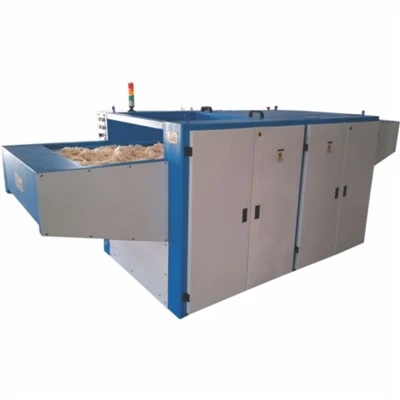
If you’re dealing with low roving frame efficiency, or looking to upgrade or replace your current machine to get better output without the downtime, I’m here to help. We work with spinners of all sizes, from small local mills to big global operations, to figure out what works for their specific setup, not just push a machine that might not fit their needs. Shoot me a message, and we can walk through your current process, what’s giving you trouble, and find a solution that gets your roving frames running at their best.
Carding Machine References:
- Textile Institute. (2021). Roving Frame Operation and Efficiency Optimization. Textile Manufacturing Technology Journal.
- Lawrence, C. A. (2019). Fundamentals of Spinning Process Efficiency. Woodhead Publishing.
- International Textile Manufacturers Federation (ITMF). (2022). Maintenance Best Practices for Textile Machinery. ITMF Technical Report.
- Patel, R. (2020). Effect of Drafting and Twisting Parameters on Roving Frame Performance. Journal of Textile Science and Engineering.
Shandong Hongye Machinery Co., Ltd.
Shandong Hongye Machinery Co., Ltd. is one of the most professional roving frame machine manufacturers and suppliers in China, featured by quality products and low price. Please rest assured to buy advanced roving frame machine in stock here and get quotation from our factory. Also, 1 year warranty is available.
Address: Room 1104, Building No. 2, Haier Yunjie, No. 99 Chongqing South Road, Qingdao, China
E-mail: sales@seavincn.com
WebSite: https://www.sdhymachinery.com/
