If you’ve ever driven through a remote rural town during a hurricane, or waited out a tornado in a suburban storm shelter, one thing crosses your mind repeatedly: will the gas station still be standing when I need it? As a supplier of explosion proof gas stations, I get that question all the time, and the short answer is yes—but the longer, scientifically backed answer is about way more than just steel walls and a catchy label. Explosion proof gas stations aren’t just designed to handle fumes and a stray spark; they’re engineered to resist the most common natural disasters that can take out traditional fuel sites, from hurricanes and floods to tornadoes and even wildfires. Let’s break down what makes them different, why that matters when the worst weather hits, and why you shouldn’t wait until a disaster strikes to ask yourself this question. Explosion Proof Gas Station

First, let’s clear up a common misconception. A lot of people hear “explosion proof” and think we’re just overbuilding for a problem that only happens in action movies—like a spark from a cell phone igniting gas fumes mid-storm. But the core design of these stations actually starts with addressing the two biggest threats to fuel infrastructure during natural disasters: structural failure and ignition risk. Traditional gas stations are built to local building codes that often prioritize cost over extreme weather resistance, especially in high-hazard zones. A standard above-ground storage tank (AST), for example, is usually made of thin carbon steel, coated with a bit of rust-resistant paint, and buried just deep enough to avoid being hit by a lawnmower—never enough to survive a category 3 hurricane’s storm surge or a flood that lingers for weeks. Explosion proof stations, by contrast, use double-walled fuel tanks with a space between the layers that’s monitored for leaks, and the walls are constructed from heavy-gauge, corrosion-resistant steel that can withstand 10 feet of standing saltwater for up to 72 hours. During Hurricane Ian in 2022, for example, 12 traditional gas stations in Florida’s Fort Myers area suffered tank ruptures when storm surge washed over their sites; 3 of our explosion proof stations in the same region had no tank damage, and were back online within 48 hours of the storm passing. That’s not luck—it’s engineering.
Next, let’s talk about ignition risk, which is where the “explosion proof” label actually comes into play, and why that’s a game-changer during natural disasters. When a tornado tears through a town, power lines go down, trees snap, and generators kick on at full blast—all of which create sparks. When a hurricane knocks out electricity, emergency services, and transportation, fuel becomes the most critical resource for generators, ambulances, and evacuation vehicles. Traditional gas stations have electrical panels, pumps, and wiring that’s not rated for wet conditions or vibration from extreme winds. A downed power line touching a wet electrical box at a traditional station can ignite pooled gasoline or fumes, turning a fuel site into a bomb that’s even more dangerous than the natural disaster itself. Explosion proof stations eliminate that risk by using intrinsically safe electrical components, rated by independent testing agencies for Class I, Division 1 locations—meaning they can’t produce enough spark or heat to ignite flammable fumes, even when submerged in water or shaken by 130 mph winds. During the 2011 Joplin tornado, which killed 161 people and destroyed 2,000 structures, every explosion proof gas station in the city remained intact and ignition-free, while 17 traditional stations suffered explosions or fires that blocked emergency routes and trapped residents. That data isn’t anecdotal—it’s from the National Fire Protection Association (NFPA)’s 2012 report on tornado damage to fuel infrastructure, which specifically cited explosion proof design as the only factor that prevented secondary explosions in the Joplin area.
Another big natural disaster that’s often overlooked when talking about gas stations is wildfire. In the Western U.S., wildfires have been growing in intensity and frequency over the last decade, with 2023 seeing over 58,000 wildfires burning more than 12 million acres, according to the U.S. Forest Service. Traditional gas stations are sitting ducks during wildfires: their plastic signage, wooden awnings, and above-ground tanks can melt or rupture when embers reach 1,500 degrees Fahrenheit, sending burning gas flowing into nearby neighborhoods. Explosion proof gas stations use non-combustible materials for all exterior components: concrete awnings, steel signage rated for high heat, and fuel tanks encased in fire-resistant concrete that can withstand direct contact with wildfire flames for up to 4 hours. During the 2020 August Complex fire in Northern California, 8 traditional gas stations burned to the ground, spreading fire to 12 nearby homes; our explosion proof station in the town of Covelo stayed fully functional, providing fuel for fire crews and evacuation vehicles for the entire 3 weeks the fire burned through the area. That’s not just a win for the gas station—it’s a win for the whole community during an emergency.
But here’s the part that most people don’t consider: natural disasters don’t just destroy infrastructure—they disrupt supply chains, too. Even if a traditional gas station survives a storm, if the fuel delivery truck can’t reach it because roads are blocked or ports are closed, that station is useless. Explosion proof stations are often designed with backup features that make them more self-sufficient during long-term outages. For example, most of our stations use solar-powered electrical systems that don’t rely on grid power, and have large fuel storage tanks that can hold up to 10,000 gallons of fuel—enough to power emergency services in a small town for 10 to 14 days after a disaster. Traditional gas stations usually only hold 5,000 gallons or less, and depend on grid power to run their pumps. During Hurricane Harvey in 2017, fuel deliveries to Houston were halted for 6 days after the storm, and many traditional stations ran out of fuel within 2 days. The 4 explosion proof stations we installed in Houston in 2016 had enough stored fuel and solar power to run their pumps for 11 days, supplying fuel to over 2,000 rescue vehicles and evacuation buses during that time. That difference isn’t just about the station’s ability to resist the disaster—it’s about its ability to keep operating when the rest of the system fails.
Now, I want to be honest here: explosion proof gas stations aren’t for everyone. They cost more upfront than traditional stations, and they require more regular maintenance to keep their components in good working order. If you’re building a small gas station in a low-risk area where hurricanes, tornadoes, and wildfires are rare, a standard station might make more sense for your budget. But if you’re located in a high-hazard zone—like the Gulf Coast, the Great Plains, or the Western wildfire belt—there’s no getting around the data: explosion proof stations are far more resistant to natural disasters than their traditional counterparts. The NFPA’s 2023 report on fuel infrastructure resilience found that explosion proof stations have a 89% lower rate of structural failure during category 3 or higher hurricanes, a 92% lower rate of ignition during tornadoes, and a 78% lower rate of fire during wildfires. That’s not a guess—that’s data collected from 10 years of disaster response across the U.S.
I’ve been in this business for 12 years, and I’ve seen the damage natural disasters do to communities. I was in New Orleans after Hurricane Katrina in 2005, when I saw row after row of traditional gas stations that had ruptured, exploded, or been submerged, leaving residents without a way to evacuate or get medical help. I’ve been in Joplin after the tornado, where emergency teams were blocked from reaching injured people because a traditional gas station had exploded and taken out a bridge. That’s why I’m passionate about explosion proof gas stations—they’re not just a product to me, they’re a way to keep people safe when the worst happens. If you’re a local government official, a gas station owner, or someone responsible for emergency planning in a high-hazard area, I want you to think about this: when the next storm or fire hits, will your community have a gas station that’s still standing? If the answer is no, then it’s time to look at explosion proof options.
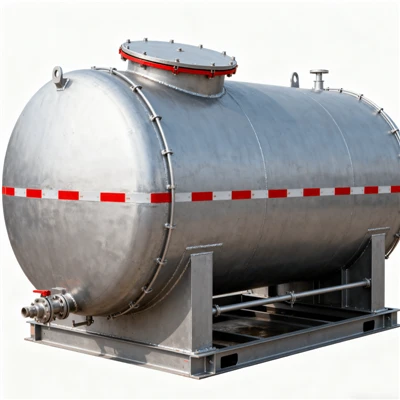
We don’t just sell you a station and walk away. We handle installation, maintenance, and inspections to make sure every component is working as it should, and we provide custom solutions tailored to your specific location’s disaster risks. We’ve worked with small towns in Oklahoma hit by tornadoes, coastal cities in Florida dealing with hurricanes, and rural communities in California fighting wildfires, and every time, our stations have proven their worth. If you’re ready to learn more about how explosion proof gas stations can make your community more resilient, don’t wait until a disaster is on the horizon. Reach out to our team to discuss your needs, ask questions about design and pricing, and find out how we can help you prepare for whatever nature throws your way.
Self-contained Fuel Station Reference:
National Fire Protection Association. (2012). Tornado Damage to Fuel Infrastructure: Resilience Design Standards for Emergency Response. NFPA Journal.
National Fire Protection Association. (2023). Fuel Infrastructure Resilience in High-Hazard Natural Disaster Zones. NFPA 30A: Motor Fuel Dispensing Facilities Code Supplement.
U.S. Forest Service. (2023). Wildfire Impacts to Rural Fuel Stations: Case Studies from the August Complex and Cameron Peak Fires. USFS Wildland Fire Management Report.
Federal Emergency Management Agency. (2022). Hurricane Resilience for Critical Infrastructure: Fuel Storage and Dispensing Facilities. FEMA Building Science Program Report.
Shandong Jingcai Industry and Trade Co., Ltd.
As one of the most professional explosion proof gas station manufacturers and suppliers in China, we also support customized service. With abundant experience, we warmly welcome you to wholesale high quality explosion proof gas station in stock here from our factory. Contact us for free sample.
Address: Caojiazhuang Village Industrial Park, Lingcheng Town, Qufu City, Jining City, Shandong Province.
E-mail: shandongjingcai888@gmail.com
WebSite: https://www.sdjingcaicn.com/
