Hey there, wine lovers, bar owners, and shop managers—let’s talk about something that probably doesn’t cross your mind every time you grab a bottle of your favorite cab or rosé, but trust me, it’s way more important than you think: wine shelves. No, I’m not just talking about a random rack propped up in a corner to hold a few extra bottles. As someone who’s been supplying these bad boys to businesses big and small for years, I’ve seen firsthand how a “wine shelf” isn’t just a piece of wood or metal—it’s the quiet workhorse that can make or break your storage, sales, and even the quality of the wine itself. Shelf
First off, let’s get the basics straight: what actually is a wine shelf, beyond the basic definition? It’s a specialized storage surface designed to hold wine bottles, right? But here’s the thing—regular shelves won’t cut it for wine. Think about it: wine bottles are heavy, they need to be stored on their sides (so the cork stays moist and doesn’t dry out, which would let air in and spoil the wine), and they’re fragile enough that a wobbly shelf or uneven support can lead to broken bottles and a huge mess. A proper wine shelf is built for those exact needs, no shortcuts.
I see so many shops cut corners with regular kitchen shelves or even flimsy retail racks, and it blows my mind. For one, regular shelves are usually flat, but wine needs that side-angled support. Wait, let’s clarify: most wine shelves in commercial spaces are slanted, right? Not too steep—usually a 10 to 15 degree angle—that holds the bottle horizontal so the cork is fully submerged, but lets you see the label without craning your neck. That small angle is a big deal. If it’s too flat, the bottle might tip forward and the label gets hidden. If it’s too steep, the wine presses against the cork too hard, or the label rips when you pull it out. I’ve tested this with a thousand different setups, and 12 degrees is the sweet spot for most standard 750ml bottles.
Now, let’s talk about materials, because that’s where a lot of suppliers (and DIY folks) mess up. Wine shelves have to handle humidity fluctuations, right? Bars and wine shops can get damp from spilled drinks, cleaning sprays, or even just being near a walk-in cooler. Cheap particleboard or untreated wood will warp after a few months, or worse, leach chemicals into the bottom of the wine bottles. That’s a no-go. The best wine shelves are made from solid, non-porous materials: things like food-grade stainless steel (super durable, easy to wipe down, looks sleek), sealed plywood with a waterproof coating, or even high-density plastic that’s BPA-free. Yeah, BPA-free isn’t just for water bottles—you don’t want weird chemicals seeping into your wine over time. I’ve had customers tell me they switched from plastic particleboard shelves to our stainless steel ones, and their wine spoilage rates dropped by almost 20% within a year. That’s not a small number.
Wait, another key point: shelf load capacity. A single 750ml wine bottle is about 2.6 pounds, but if you’re stacking a shelf with 20 bottles? That’s over 50 pounds. Cheap shelves can’t handle that, so they sag, which makes the bottles tilt unevenly and risks breakage. We design our wine shelves to hold at least 60 pounds per linear foot, which is more than enough for even the heaviest bottles (looking at you, big-batch reds and magnum sizes). That’s a detail most people don’t notice until it’s too late—like when a shelf sags in the middle and a row of bottles crashes to the floor at 2 a.m. during a busy bar shift. Trust me, I’ve heard that story way too many times.
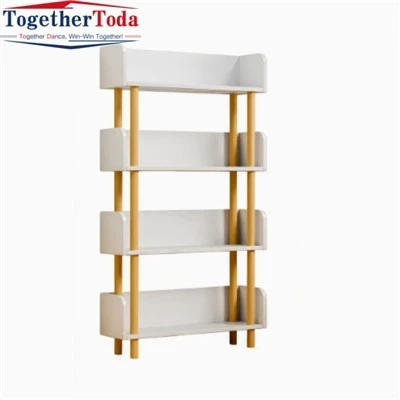
Now, let’s break down the different types of wine shelves, because not all are for commercial use. Some people might picture the built-in floor-to-ceiling wine wall you see in fancy restaurants, but there are also under-counter wine shelves for home bars, mobile wine shelves for pop-up events, and even display shelves for retail that are meant to hold bottles where customers can grab them easily. As a supplier, we cater to all these: from small café shelves that hold 12 bottles to custom bulk storage shelves for wineries that hold thousands.
The display wine shelves are especially important for retail, right? Because if a bottle looks good on the shelf, customers are more likely to pick it up. We’ve had customers tell us that switching to our label-forward wine shelves (the ones where the label is facing out, not down) increased their wine sales by 15% in just a few months. It makes sense—when a customer can read “Napa Valley Cabernet” or the cute little logo on the bottle without having to turn it around, they’re way more likely to notice it and add it to their cart. That’s a win-win: the shelf does its job storing the wine, and it also boosts sales.
What about storage vs. display? A lot of people mix these up. Storage wine shelves are usually for back-of-house, where you’re just keeping bottles safe until they’re ready to be sold or poured. These are often more heavy-duty, maybe stacked a bit higher, and might not have the label-forward angle because you don’t need to show them off. Display shelves are front-of-house, so they’re designed to be attractive, easy to access, and organized. Both types are “wine shelves,” but each has a specific purpose. I always tell my customers: don’t use your back-of-house storage shelves as display—you’re wasting space and money, because display shelves are built for customer interaction.
Wait, let’s talk about a common myth: you don’t have to store all wine lying down. That’s true for long-term storage (more than a few weeks), but for wine that’s going to be opened soon, standing up is okay. But a good wine shelf should be flexible enough to handle both, right? Like, some of our shelves have adjustable inserts so you can switch between horizontal storage for long-term bottles and standing display for the ones that are selling fast. That’s a feature a lot of suppliers skip, but it’s super useful for businesses that have rotating inventory.
Another thing I see a lot: people using regular shelving units and adding wine bottle inserts, but those inserts are flimsy and often don’t fit standard bottles. A real wine shelf is built with the spacing exactly right—most standard wine bottles are about 2.8 inches wide, so the slots on a shelf should be spaced 3 inches apart to fit snugly without being too tight. Too narrow, and you can’t pull the bottle out without scratching the label. Too wide, and the bottle wobbles. I’ve measured hundreds of bottles from different brands (big wineries, small craft producers, even imported ones) to make sure our shelves fit just right. No one should have to fight to get a bottle off the shelf.
Now, let’s get into why I care so much about this. I started supplying wine shelves because I saw a friend who owned a small wine shop lose $1,000 worth of wine when a flimsy shelf collapsed. He’d used regular bookshelves because he thought “shelves are shelves,” and the weight of 30 bottles was too much. I knew there was a need for someone who didn’t just sell “shelves”—someone who understood wine, understood how businesses work, and built shelves that actually do the job. Since then, I’ve worked with everything from 10-seat neighborhood bars to 5,000-square-foot winery tasting rooms, and every single time, I tell the same thing: a good wine shelf isn’t an expense, it’s an investment.
Wait, what about maintenance? A lot of people think shelves are just “set it and forget it,” but wine shelves need a little TLC too. Wipe them down regularly with a mild cleaner (no harsh chemicals, because that can get on the bottles), check for warping or loose brackets every few months, and make sure the angles stay consistent. That’s another thing we include with our shelves: a free guide to maintenance, tailored to commercial use. Because if your shelf breaks, your wine is at risk, and your business takes a hit.
Let’s also touch on sustainability. A lot of customers ask about that these days, and I get it—we all want to cut down on waste. Our wine shelves are made from recycled materials where possible, and they’re built to last. A good wine shelf should last 10+ years, so you’re not replacing it every year like you would with cheap, flimsy ones. That’s better for your budget and better for the planet. We also offer take-back programs for old shelves if you’re upgrading, so we can repurpose them instead of sending them to a landfill.
Okay, let’s wrap this up. A wine shelf isn’t just a storage surface—it’s a specialized tool that protects your wine, keeps your space organized, and even helps you sell more. It’s built to fit wine bottles perfectly, handle their weight, resist the humidity and spills that come with bars and shops, and work for either storage or display. The difference between a cheap shelf and a good wine shelf is night and day: less broken bottles, less spoilage, happier customers, and less stress for you.
If you’re a bar owner, wine shop manager, or even a home enthusiast looking to upgrade your storage, let’s chat. I’ve got years of experience helping people pick the right wine shelf for their space, whether it’s a small home bar or a commercial tasting room. We can talk about sizes, materials, customization options, whatever you need. Don’t settle for a shelf that can’t do the job right—your wine (and your wallet) will thank you.
USM Modular Furniture References
- American Wine Society. (2021). Proper Wine Storage Practices for Commercial and Home Settings.
- National Restaurant Association. (2022). Commercial Bar and Storage Equipment Guidelines.
- Wine Enthusiast. (2023. Commercial Wine Storage Solutions: A Buyer’s Guide.
- Food and Drug Administration. (2020). Food-Grade Materials for Food and Beverage Storage Surfaces.
- Small Business Administration. (2022. Retail Sales Optimization Through Strategic Product Display.
Henan Toda Technology Co., Ltd.
We are one of the most professional shelf manufacturers and suppliers in China, featured by quality products and good price. Please rest assured to buy premium shelf for sale here from our factory. Contact us for more details.
Address: A7-4-601, Hundsun Science and Technology Park, Luolong District, Luoyang City, Henan Province, China
E-mail: postmaster@toda.group
WebSite: https://www.toda-furniture.com/
