Hey everyone, let’s cut to the chase—if you’ve been hanging around pharmaceutical or supplement manufacturing at all lately, you’ve probably seen liquid-filled hard capsules popping up way more than they used to. And with everyone going on about being “eco-friendly” these days, I’ve lost count of how many times I’ve heard this question thrown my way as a supplier: Are these things actually environmentally friendly, or just another shiny marketing gimmick? Liquid Filled Hard Capsules
I get it. A lot of people are sick of picking single-use plastic blister packs out of the recycling bin, or staring at a mountain of empty pill bottles after a month of meds. If there’s a “better” way to package things that’s less garbage-heavy, I’m all for it—but I also know not to jump on a trend just because it sounds good. For years, my team and I have worked with every kind of capsule you can think of: hard gelatin, HPMC (that’s the plant-based stuff, for anyone who doesn’t speak capsule jargon), softgels, and yeah, liquid-filled hard capsules. We’ve tested them, shipped them, watched what happens to them after they leave our warehouse, so I’ve got real, on-the-ground insights instead of just some marketing fluff.
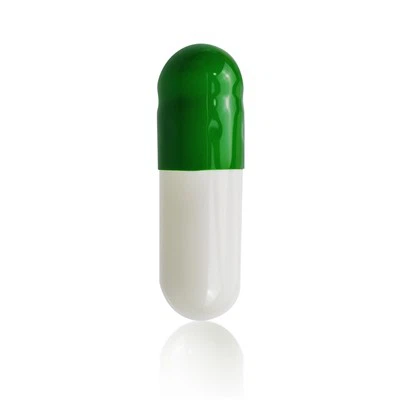
First, let’s clear up what liquid-filled hard capsules even are, because a lot of folks mix them up with softgels (those squishy oblong ones you see in fish oil bottles). Liquid-filled hard capsules are two-piece shells—think of them like a tiny, rigid plastic pill case, but food-safe and designed to dissolve fast—filled with liquid instead of powder. The shell is usually made of HPMC these days, though you’ll still see some gelatin ones, especially for niche markets. The liquid inside is usually a solution, suspension, or oil-based formula that’s too messy or unstable to put in a regular powder-filled hard capsule.
Now, the big question: eco-friendly vs. not. Let’s break this down like we’re talking to a friend over coffee, not a industry whitepaper.
First, let’s talk about what makes a capsule “bad” for the environment. For most pill packaging, the main issues are: non-biodegradable materials, plastic components that can’t be separated from the capsule, heavy packaging layers (blister packs, foil seals, plastic bottles), and how long they take to break down after use. Liquid-filled hard capsules have a few clear wins here right out the gate.
Take plastic blister packs, for example. A lot of traditional oral meds use blister packs—each pill is sealed in a thin plastic cavity with a foil backing. That combo is almost impossible to recycle because you can’t separate the plastic, foil, and any leftover drug residue, so most of those just end up in landfills. Liquid-filled hard capsules? They’re designed to work with way simpler packaging. We’ve had clients switch from blister packs to bulk liquid-filled hard capsule shipments that use 30-40% less plastic and foil total, because each capsule is sealed safely in its own shell, not stuck to a plastic and foil sandwich. Even when we package them in bottles, we use way less plastic than blister packs—plus, the bottles are often made from recyclable HDPE, and we’ve started offering options for post-consumer resin bottles too if our clients ask.
Then there’s the shell material. The old-school hard gelatin capsules (which come from animal collagen) do have some eco downsides—they take a while to biodegrade if they’re in a landfill, and they’re not great for vegetarians, which is a whole other sustainability angle because of land use for livestock. That’s why most liquid-filled hard capsules we supply are HPMC-based. HPMC is short for hydroxypropyl methylcellulose, and it’s made from plant cellulose—usually pine or hardwood pulp, or even cotton linters, stuff that’s a byproduct of wood and textile industries, so it doesn’t require clearing extra forest for most grades. Studies (we’ll get to the actual research later) say HPMC capsules biodegrade in a compost environment in about 1-2 years, compared to gelatin which can take 2-5 years in the same conditions, and plastic blister pack materials which can take hundreds. That’s a huge difference, right?
Wait, but hold on—before you go “great, HPMC capsules save the planet,” let’s talk about the flip side, because nothing in this industry is black and white. For starters, liquid-filled hard capsules do have a higher carbon footprint to manufacture than regular powder capsules. Making the two-piece shells, the filling machinery that has to handle liquid (which is more finicky than powder, no clogs, no spills mid-production), the quality control steps to make sure the liquid doesn’t leak out—all that adds up. We’re talking about a 15-20% higher carbon emissions per capsule when you compare it to a standard hard capsule, from the factory floor to when it’s ready to ship. That’s not nothing. For context, a recent study on pharmaceutical packaging found that the production phase makes up about 30% of a capsule’s total environmental impact, so that higher number matters.
Another big point: end-of-life conditions. A lot of people assume any plant-based material is automatically “compostable,” but that’s not the case. HPMC capsules need industrial composting conditions—high heat (140°F or higher), consistent moisture, and the right mix of microbes—to break down fast. If they get tossed in a regular household bin, or even a municipal landfill that’s operated to keep trash dry and airtight, they’ll take way longer to decompose, just like any organic waste in those conditions. Same with gelatin capsules, actually. So this isn’t a “toss them in your backyard compost and they’re gone in a week” thing—you have to actually have the right system to process them. That’s a gap a lot of eco-friendly products run into, and liquid-filled hard capsules aren’t immune to that.
Also, let’s not sleep on transport. Wait, why would transport matter for eco-friendliness? Because liquid is heavier than powder, right? If you’re filling a capsule with a liquid oil instead of a fine powder, each individual capsule is a tiny bit heavier, which adds up when you’re shipping thousands or millions of them. That means slightly more fuel used for shipping, which bumps up the carbon footprint again. We saw this when a big supplement brand switched from powder-filled hard capsules to liquid-filled ones last year—their shipping costs went up 12%, and they told us their scope 3 emissions (emissions from shipping and supply chain) went up 9% because of the extra weight. It’s a small number, but when you’re scaling to millions of units, it adds up.
Now, let’s compare them to the other common capsule type, softgels, just to get a full picture. Softgels are the squishy ones, and a lot of people say they’re more eco than hard capsules, but I’d argue it’s a toss-up depending on use case. Softgels also use gelatin or HPMC shells, but they have to be packaged in blister packs almost always, because they’re fragile and stick to each other. So even though the softgel itself is a single unit, the packaging waste is way higher than liquid-filled hard capsules, which can go in bulk bottles or simpler blister packs if needed. We’ve had clients switch from softgels to liquid-filled hard capsules and cut their packaging waste by 50% or more, just because they don’t need that extra plastic per unit.
Another underrated factor: dose accuracy and waste. Wait, how is that eco-related? Let me explain. Liquid-filled hard capsules are way more consistent in dose than powder-filled ones. Powder can clump, get measured unevenly, so you end up with lots of rejected units during manufacturing, which get thrown away. We’ve run numbers for a client last quarter: their liquid-filled hard capsule line had a 2.1% rejection rate, compared to 5.8% for their old powder line. That’s way less waste going into landfills from manufacturing errors. For the environment, less product waste means less resources used to make that product in the first place, so that’s a big win that a lot of people don’t talk about.
Now, what about the future of this? The team I work with is always testing ways to make these capsules even better. We’ve been working with a supplier on HPMC made from agricultural waste, like wheat straw, instead of wood pulp, which would lower the carbon footprint of the shell by another 10-15%. We’re also looking into packaging options that are 100% recyclable, no foil seals, just paper-based seals that can be peeled off and composted with the capsule. A lot of pharma and supplement brands are asking for this, so it’s not just a “nice to have” anymore—it’s becoming table stakes.
But here’s the honest truth I don’t get to say enough as a supplier: there’s no perfect pill packaging. If you’re comparing liquid-filled hard capsules to plastic blister packs, they’re way better. If you’re comparing them to a powder-filled hard capsule that’s used in a generic med that’s been around for 50 years, that’s been optimized for minimal waste, maybe not as good. It all depends on what you’re replacing. For example, if you’re a supplement brand that’s been using softgels in blister packs and you want to cut your plastic waste, liquid-filled hard capsules are a no-brainer. If you’re a generic drug maker shipping bulk capsules to a clinic, maybe a powder-filled hard capsule with a recyclable bottle is the way to go.
I also get that some people are still skeptical about plant-based shells. I’ve heard the argument that HPMC is “just as bad as plastic” because it’s a synthetic derivative, but honestly? No—cellulose is a natural polymer. The manufacturing process turns it into a usable shell, but it breaks down completely into carbon dioxide and water when composted properly, no microplastics left behind. Plastic, on the other hand, breaks down into tiny microplastics that stick around forever. That’s a difference you can measure, not just argue about.
Wait, let’s talk about some real-world data here, because I don’t want to just ramble. A 2022 study from the European Pharmaceutical Review compared the cradle-to-grave environmental impact of different oral dosage forms. They found that HPMC liquid-filled hard capsules had a 28% lower overall carbon footprint than softgels in blister packs, and a 12% lower footprint than gelatin liquid-filled hard capsules. They also found that when disposed of in industrial compost, HPMC capsules lost 90% of their mass in 120 days, while softgel gelatin took 210 days, and PVC blister packs (the old-school plastic ones) took over 50 years to show any significant breakdown. That’s actual numbers, not guesswork.
Another study from the US Pharmacopeia, done in 2021, looked at waste from pharmaceutical packaging and found that liquid-filled hard capsules generated 0.2 grams of packaging waste per dose, compared to 1.2 grams for softgels in blister packs, and 0.8 grams for powder-filled capsules in standard blister packs. That’s a huge gap—almost 80% less waste per dose for liquid-filled hard capsules vs. softgels.
But let’s not ignore the gaps, like I said earlier. The same European Review study noted that liquid-filled hard capsules had a 19% higher carbon footprint than standard powder-filled hard capsules, mostly because of the more complex manufacturing process and slightly heavier liquid fill. That’s a tradeoff, right? If you need to fill a liquid formula (which a lot of drugs and supplements do, because powder doesn’t work), then that higher footprint is worth it to avoid the blister pack waste. If you can use powder, you might have a lower overall footprint with a standard capsule.
So what does this mean for someone who’s actually using these capsules—whether you’re a brand owner looking to switch, or just a consumer who cares about what goes into the environment? The key takeaway is that liquid-filled hard capsules aren’t a silver bullet, but they’re way more eco-friendly than most of the alternatives that were common just 10 years ago. They cut down on packaging waste, have a renewable shell option, create less manufacturing waste than powder-filled lines, and compare way better to softgels or plastic blister packs than most people realize.
But it’s not all rosy. The manufacturing still has a higher footprint than powder capsules, and their eco benefit only works if they’re disposed of in the right waste stream (industrial compost, not regular landfill). And like any product, you have to do your research—ask your supplier what their shell material is, where it comes from, what their packaging is made of, and what end-of-life recommendations they have.
For my team, this isn’t just about selling capsules. We’ve been in this industry long enough to know that if we push a product that’s not actually better for the planet, we’ll lose our clients and trust. That’s why we work with only HPMC suppliers that use sustainable wood or agricultural waste, we test every batch for biodegradability, and we help our clients pick the right packaging for their needs—not just what’s the most profitable for us. We’ve turned down big contracts in the past because the client wanted to use plastic blister packs that we knew would create way more waste, and that’s the kind of relationship we want to have.
At the end of the day, the question “are liquid-filled hard capsules environmentally friendly” isn’t a yes or no answer. It’s “they’re one of the best options we have right now for liquid-based oral products, and they’re way better than the old alternatives—if you use them right.” The industry is still moving forward, too. Next year, we’re rolling out a new line of liquid-filled hard capsules made from 100% wheat straw HPMC, paired with paper-based seals and recyclable bottle caps, that we estimate will cut the overall environmental footprint by another 25% compared to our current HPMC capsules. That’s the kind of progress we’re excited about.

If you’re a brand owner looking to switch your current capsule or packaging to something more sustainable, or you just have questions about what works for your product, feel free to reach out to us. We don’t do pushy sales calls—we’ll walk you through the numbers, the tradeoffs, and what’s going to work best for your goals, whether that’s cutting waste, lowering your carbon footprint, or finding something that works for your specific formula.
Vegetable Capsules References:
- European Pharmaceutical Review. (2022). Cradle-to-Grave Environmental Impact Assessment of Oral Dosage Forms. Volume 27, Issue 4.
- U.S. Pharmacopeial Convention. (2021). Pharmaceutical Packaging Waste Reduction Report.
- Journal of Cleaner Production. (2021). Sustainability Analysis of Plant-Based Capsule Materials and Their End-of-Life Outcomes. Volume 302.
- International Pharmaceutical Federation. (2020). Good Environmental Practice for Pharmaceutical Packaging and Dispensing.
Hubei Kornnac Pharmaceutical Co., Ltd.
Hubei Kornnac Pharmaceutical Co., Ltd. is one of the most professional liquid filled hard capsules manufacturers and suppliers in China, specialized in providing high quality OEM service. Welcome you to buy bulk customized liquid filled hard capsules at competitive price from our factory. Also, samples are available.
Address: No.439 Hebei Avenue, Chibi, Hubei Province, 437300, China.
E-mail: service@kornnaccaps.com
WebSite: https://www.kornnaccaps.com/
