If you’ve ever shopped for cabinet door locks, you know how overwhelming it can be to sift through all the options. As a cabinet door lock supplier who’s spent the last 12 years helping small business owners, office managers, and homeowners pick the right solution for their space, I get it. A lock that works perfectly for a kitchen cabinet storing cleaning supplies might be totally wrong for a medical cabinet holding sensitive documents, or a retail display case that needs to be accessible to staff but secure from customers. That’s why I put together this breakdown of the most common cabinet door lock types, how they work, where they shine, and what to consider before you buy. Let’s dive in. Cabinet Door Lock
First, let’s start with the basics: what makes a good cabinet door lock? For me, it’s always a balance between security, ease of use, and durability. A lock that’s so hard to open that your staff leaves cabinets propped open defeats the purpose, but a lock that’s too flimsy won’t keep kids or intruders out. That balance is especially important for cabinets, which are usually lightweight, have thin frames, and often don’t have a lot of space for bulky hardware.
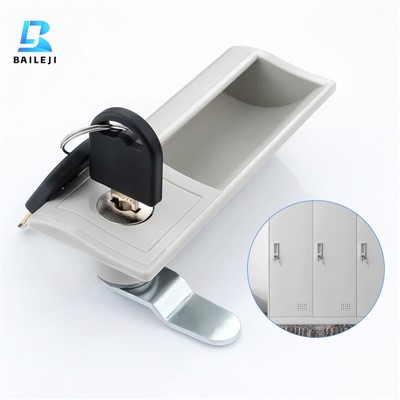
One of the most ubiquitous types of cabinet door locks is the cam lock. You’ve definitely seen these before—they’re the little cylindrical locks you often find on file cabinets, mailboxes, and lower kitchen drawers. A cam lock works by inserting a key into the cylinder, turning it 90 degrees, which rotates a metal “cam” (a small, curved piece) inside the lock. That cam hooks onto the inside of the cabinet frame, pulling the door tight against the cabinet when locked, or releasing it when turned.
What I love about cam locks is how versatile they are. They come in dozens of sizes, from tiny 10mm locks for small display cabinets to larger 30mm locks for deeper file drawers. They’re also super easy to install—most just require drilling a 16mm or 20mm hole in the back of the cabinet door, no complicated wiring or tools needed beyond a screwdriver. For small businesses with retail display cases, cam locks are a go-to because you can rekey them easily if you lose a key, or order master keys to manage multiple locations. The downside? They’re not the most secure for high-traffic or high-value spaces. A determined intruder can often pop a cam lock with a flathead screwdriver, so they’re best for low-security applications like under-sink cabinets or home office storage.
Next up: combination cabinet locks. These are perfect for spaces where you don’t want to deal with carrying keys—like break rooms, school supply cabinets, or gym locker rooms. Combination locks for cabinets usually come in two styles: dial combination locks and push-button combination locks. Dial combination locks are the classic ones, with a rotating dial that has numbers 0 to 9 (or more) around the edge. You turn the dial left, right, and left again to line up specific numbers, and if you get the sequence right, the lock releases. Push-button combination locks, on the other hand, have individual buttons that you press in a specific order to unlock.
I’ve seen a huge uptick in push-button combination locks over the last five years, especially for office break rooms. Employees hate fumbling with keys, and managers don’t have to replace lost keys every other month. A lot of combination cabinet locks are also weather-resistant, which makes them great for outdoor storage cabinets or pool house cabinets. The tradeoff here is that they’re not as convenient for spaces where multiple people need access at different times—you have to remember the combination, and everyone using it has to be on the same page. Also, cheap combination locks can be easier to crack than keyed locks, so if you’re storing sensitive items (like prescription drugs or financial documents), you might want something more secure.
If security is your top priority, deadbolt cabinet locks are the way to go. Wait—before you think “deadbolts are for doors,” let me clarify: cabinet deadbolts are smaller, specifically designed for thin cabinet doors. They work just like regular door deadbolts, with a metal bolt that slides into a notch in the cabinet frame when locked. The bolt is much thicker than a cam lock’s cam, so it’s way harder to pry open. I installed deadbolt locks on the kitchen cabinets of a restaurant client last year because they stored expensive wine and specialty spirits back there, and they haven’t had a single issue with theft or tampering since.
Cabinet deadbolts come in two main types: single-cylinder and double-cylinder. Single-cylinder deadbolts use a key on the outside and a thumb turn on the inside, which is perfect for cabinets you access regularly but don’t want unauthorized people getting into. Double-cylinder deadbolts require a key on both sides, which is better for cabinets that hold extremely sensitive items (like legal documents or controlled substances), since there’s no way to open them from the inside without a key. The only thing to note with cabinet deadbolts is that they require a little more space than cam locks—you need a solid area on the edge of the cabinet door to mount the bolt, so they’re not ideal for very thin or fragile cabinet doors.
For people who want to keep their hands free, or have cabinets that need to be accessible for quick, repeated use, electronic cabinet locks are a game-changer. These locks use battery power to operate, and they can be unlocked with a key fob, a code on a touchpad, or even a smartphone app. A lot of our clients in retail use electronic locks for their stock rooms—managers can unlock multiple cabinets with a single fob, and they can track who accessed which cabinet and when. I also installed electronic fingerprint locks on a pediatric clinic’s supply cabinets last year, which meant only nurses and doctors could access medical supplies, no codes to share or forget.
Electronic locks are getting more affordable every year, too. Five years ago, a good electronic cabinet lock cost over $100; now, you can get a solid one for $30-$50. The downside here is that they require batteries, so you have to remember to replace them every 6-12 months. If you forget, you might get locked out of your own cabinet at a bad time. Also, they’re more complex to install than cam locks, so you might need a drill or a screwdriver that you don’t have on hand. But for high-use, high-security spaces, the convenience is worth the small extra work.
I’d be remiss if I didn’t mention specialty cabinet door locks for specific use cases. For example, childproof cabinet locks are a huge category for homeowners with young kids. These are usually magnetic locks—you mount a small lock on the inside of the cabinet door, and you use a magnetic key to unlock it from the outside. Kids can’t pry them open, and they don’t require any key that a parent could lose. I sold hundreds of these locks last year after a local mom’s group recommended them—they’re easy to install, and you don’t have to drill big holes in your nice kitchen cabinets.
Then there are latch locks for glass cabinet doors. Glass cabinets are common in China cabinets or display cases, and they need a lock that doesn’t scratch or damage the glass. Latch locks are designed to clamp onto the edge of the glass without drilling holes, which is perfect for rental spaces or cabinets you don’t want to modify. They’re also small and unobtrusive, so they don’t take away from the look of your display. A lot of our boutique clients use glass latch locks for their jewelry displays—they’re secure enough to keep shoplifters out, and they look clean and discreet.
So, how do you pick the right cabinet door lock for your needs? After 12 years in this business, I always tell people to start with two questions: Where is this cabinet going, and what’s going inside it? If it’s under your kitchen sink, storing cleaning supplies, a cheap cam lock or magnetic childproof lock is more than enough. If it’s a restaurant’s wine storage, a deadbolt is non-negotiable. If it’s an office supply cabinet with 50 people accessing it, a combination or electronic lock will save you a ton of time on key management.
I also always recommend buying from a reputable supplier, not just the cheapest option on Amazon. A $5 cam lock might seem like a deal, but it will break after six months of use, and you’ll have to replace it anyway. The locks we carry are made from solid metal, not plastic, so they last for years, and we offer a 1-year warranty on all our products. We’ve had customers come back to us after 10 years saying their original locks are still working, which is exactly what we want.
If you’re tired of dealing with flimsy locks that don’t work for your space, or you need help figuring out which lock is right for your cabinets, we’d love to help. Whether you’re a small business owner outfitting a new retail space, a homeowner looking for childproof locks, or an office manager securing sensitive documents, we can walk you through your options, answer any questions you have, and help you pick a solution that fits your budget and needs. Reach out to us to start the conversation about what you’re looking for, and we’ll get back to you with personalized recommendations.
Cam Lock References
- National Fire Protection Association. (2021). NFPA 101: Life Safety Code. National Fire Protection Association.
- Access Control and Security Systems Association International. (2022). Residential and Commercial Lock Standards. Access Control and Security Systems Association International.
- Consumer Product Safety Commission. (2020). Child Resistant Cabinet Lock Guidelines. U.S. Consumer Product Safety Commission.
- Retail Industry Leaders Association. (2021). Loss Prevention Standards for Retail Storage Solutions. Retail Industry Leaders Association.
Suzhou Baileji Intelligent Lock Industry Co., Ltd.
As one of the most professional cabinet door lock enterprises in China, we’re featured by quality products and good price. Please rest assured to buy discount cabinet door lock in stock here and get pricelist from our factory. Also, customized service is available.
Address: 3rd Floor, Building 9, Shengteng Industrial Park, No. 8 Ruyuan Road suzhou, jiangsu, China
E-mail: vip@bailejilocks.com
WebSite: https://www.bailejilock.com/
