When I first started getting coffee with bakery owners and snack production managers five years ago, one question kept popping up like a yeasted bun in a warm proofer: “How long will my fancy bun production line last?” At the time, I was still a regional sales rep for a mid-sized food equipment supplier, but that question stuck with me. After helping over 70 facilities get their bun lines up and running—from small artisanal bakeries cranking out 2,000 buttered cinnamon buns a day to large co-packers pumping out 120,000 glazed cream-cheese buns daily—I can tell you this isn’t a one-size-fits-all answer. It depends as much on how you use the line as it does on the parts that go into building it. Let’s break this down like we’re kneading dough—slowly, thoroughly, and with all the small details that make the difference between a line that’s on pace for a decade and one that’s begging for a rebuild in three years. Fancy Bun Production Line
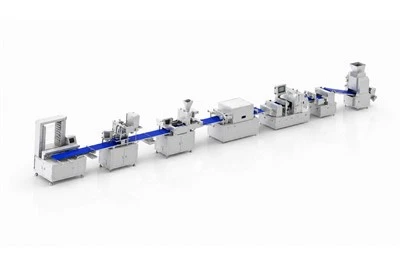
First, let’s get one thing straight: a fancy bun production line isn’t a single machine. It’s a chain of specialized equipment that works together: a divider that cuts dough into precise portions, a rounder that shapes those portions into uniform balls, a sheeter that rolls dough into sheets for swirled fillings, a braider for fancy knot buns, a proofer that keeps dough at 90°F and 80% humidity to rise, an oven that bakes to golden perfection, and a glazer that adds that shiny, sticky finish. Each component has its own lifespan, and the weakest link in that chain will determine how long the whole line works reliably.
I’ve seen well-built lines last 15 years, and I’ve seen lines that were cheaply assembled die in 4. The sweet spot for most of our standard custom lines—designed for consistent, daily production of specialty buns—comes out to 10 to 12 years, but that number shifts a lot based on how the line is operated, maintained, and updated. Let’s start with the biggest factor: production volume and run schedule.
A lot of new buyers look at a line’s “rated capacity” and think that’s a target to hit every single day. That’s a mistake. If you’re running a two-shift operation, five days a week, that’s light use compared to three shifts, six days a week—common for large bakery facilities. A line run at 80% of its maximum rated capacity will wear much slower than one pushed to 100% every day, with no downtime for cleaning or adjustments. For example, a divider that’s built to process 10,000 dough portions an hour will have its knives and bearings wear out much faster if it’s cranking out 9,500 portions an hour, nonstop, than if it’s running at 8,000, with 15 minutes of downtime every two hours to check alignment. I worked with a facility in Ohio a few years ago that ran their line three shifts, six days a week, for 11 years before replacing their divider’s core components. They kept it well-maintained, but the heavy use meant they did a full component rebuild before the line hit 12 years. Another customer in Vermont ran the same model line two shifts, four days a week, and is still running the original divider at 9 years old, with only routine bearing changes. That’s the difference between volume that’s matched to the line’s design.
Next up: maintenance. This is the single biggest variable, and it’s the one most buyers underestimate when they’re drawing up their budgets. I’ve had customers tell me, “We don’t need a full maintenance team—our existing techs can handle it,” and that works… for a little while. But food-grade equipment needs specific care, and skipping even small steps will shorten the lifespan dramatically. Let’s talk about the things we check on every line we install, and what happens when you skip them.
First, daily cleaning. Fancy buns have fillings—cream cheese, fruit compote, cinnamon sugar, nut pastes. If even a tiny bit of filling dries on a sheeter roller or a conveyor belt, it can harden, creating a rough surface that tears dough or builds up bacterial residue. I had a customer in Chicago stop doing a deep clean on their glazer at the end of each week, opting for a quick wipe down. After two years, the glazer’s spray nozzles got clogged with dried glaze, forcing the motor to work 30% harder to push glaze through. That motor burned out six months later, and by the time we replaced it, we noticed the drive belt was stretched beyond its limits, and the oven’s temperature sensor had been throwing off readings because of built-up sugar residue. That small, lazy choice cut 5 years off that line’s expected lifespan.
Then there’s preventive maintenance, not just reactive repairs. A good maintenance schedule for a fancy bun line should include: monthly bearing lubrication for all moving parts (using food-grade lubricant, not generic motor oil), quarterly calibration of the divider’s portion size and the oven’s temperature, annual alignment of conveyor belts and gear drives, and annual replacement of wear parts that are designed to be replaced, like divider knives, sheeter rollers, and glazer nozzles. These small, scheduled costs add up to about 2% of the line’s total cost per year, but they prevent major breakdowns that can cost 10 times that amount. The Ohio facility I mentioned earlier had a dedicated maintenance tech who followed this schedule to the letter. They replaced their divider’s knives every 10 months, lubricated bearings every month, and calibrated the oven quarterly. Their line ran so reliably that they only had one unexpected breakdown in 11 years, and that was from a power surge that fried a control board—not a mechanical part.
Another factor that most people don’t talk about: recipe changes. Fancy buns are all about specialty flavors, and bakeries are always switching up their fillings, glazes, and even dough types. A line built for soft wheat dough with cream cheese filling will handle whole-grain dough with nut filling differently. If you’re switching between very different recipes every day, that puts extra stress on components that weren’t designed for that variability. For example, a sheeter that’s set for soft, sticky dough will have to work harder to roll dense, whole-grain dough, putting extra strain on its drive motor. A glazer built for thin sugar glazes will clog more easily with thick fruit compote glazes. I had a customer in Texas who experimented with adding whole dried cranberries to their bun fillings, without adjusting the braider’s pressure settings. The cranberries wore grooves into the braider’s rollers in just 18 months, instead of the expected 5 years. They had to replace the whole braider, which set them back a good chunk of their budget, and that pushed their line’s total lifespan 2 years shorter than they’d planned. That’s a lesson: if you’re going to change up your recipes a lot, you need to talk to your equipment supplier about building flexibility into the line—adjustable pressure settings for braiders, wider sheeter gaps, and interchangeable glazer nozzles. It costs a little more upfront, but it saves you from expensive repairs down the line.
Now, let’s talk about the quality of the equipment itself, because that’s the foundation. Not all fancy bun lines are built the same. When we build a custom line, we use food-grade stainless steel for all contact parts (no cheap aluminum that will corrode from sugar and dough acids), precision-machined parts for the divider and rounder (instead of cast parts that can wear unevenly), and programmable logic controllers (PLCs) that are built to handle washdowns and vibration (instead of consumer-grade controls that will fail after a few years of high heat and moisture). We also design each line with modularity in mind—meaning if one component fails, you can replace just that part instead of the whole line. A line from a discount supplier might use cast parts and non-modular design, so a failed motor could mean the end of the line, not just a repair. I’ve seen discount lines last 5 to 7 years, but most of those come up short because of cheap parts. Our standard lines, built with industrial-grade food equipment, hold up because we prioritize parts that are meant for continuous, heavy use, not just one-off small batches.
What about upgrades? A lot of people think a line’s lifespan ends when parts break, but that’s not true. We’ve had customers upgrade their lines 12 years after installation, adding new control software to improve consistency, a new glazer that handles their new fruit fillings, or a proofer with better humidity control. Those upgrades don’t just fix what’s broken—they extend the line’s useful life. A customer in Michigan upgraded their line at 10 years old, adding a new divider and a digital oven control panel, and their line is now running at peak efficiency, with no plans to replace it for another 5 years. Upgrades are a way to breathe new life into a line that’s still structurally sound, which is a huge cost saver compared to buying a whole new line.
Wait, let’s address a common myth: “Automation makes the line last longer.” No—automation just changes where the wear is. A fully automated line with robotic dough handlers has more moving parts than a semi-automated line, so if you don’t maintain those robotic arms, they’ll break down faster. But automation also reduces human error, which can damage parts (like a worker accidentally setting the divider too tight). So it’s a trade-off, not a straight win. A semi-automated line with minimal parts might last a few years longer if it’s operated carefully, but a well-maintained automated line will run more consistently, leading to less waste and lower long-term costs.
Let’s put all this together with real-world examples to make it concrete. Let’s take three customers of mine:
- Customer A: Small artisanal bakery in Boston. Line: Semi-automated, 2-shift, 4 days a week, light use (1,500 buns a day). Maintenance: Once a week deep clean, routine bearing checks every 3 months. Recipes: Consistent, soft white dough with vanilla glaze. Line lifespan so far: 9 years, no major part replacements beyond belts and knives. Expected total lifespan: 12 years.
- Customer B: Large co-packer in Illinois. Line: Fully automated, 3 shifts, 6 days a week, heavy use (80,000 buns a day). Maintenance: Dedicated 2-person maintenance team, daily cleaning checks, monthly component rebuilds. Recipes: Variable, switching between wheat, rye, and whole-grain doughs, with multiple fillings. Line lifespan so far: 11 years, one control board replaced at 7 years, now doing a full modular upgrade. Expected total lifespan: 15 years (because upgrades kept it running, not just baseline use).
- Customer C: Startup bakery in Florida. Line: Discount imported line, 2 shifts, 5 days a week, variable volume (1,000 to 5,000 buns a day). Maintenance: Only cleans when parts break, no scheduled checks. Recipes: Experimenting with new fillings every month. Line lifespan: 4 years, full line replacement needed after motor burned out and sheeter wore through.
That range—from 4 years to 15 years—shows how many factors play into it. The key takeaway isn’t a fixed number, but actionable steps to make your line last as long as possible.
If you’re in the market for a fancy bun production line, here’s my advice from years of talking to hundreds of bakery owners: First, be honest about your production volume and run schedule. Don’t buy a line rated for 200,000 buns a day if you only need 50,000. That overcapacity might seem good now, but it means you’re paying for parts that aren’t needed, and you’ll be tempted to push the line harder to justify the cost, shortening its lifespan. Second, build a maintenance budget into your project. The 2% annual maintenance cost is way cheaper than the repairs you’ll avoid. Hire or train a tech who knows food-grade equipment, and stick to the schedule. Third, be realistic about your recipe plans. If you’re going to experiment a lot, tell your equipment supplier, so they can build flexibility into the line. Fourth, prioritize quality over upfront cost. A $200,000 line that lasts 12 years is a better investment than a $150,000 line that dies in 5 years—you’ll spend less on repairs, less on replacements, and get more consistent production in between.
I know, this is a lot of information, but when you’re investing in a piece of equipment that will be the backbone of your bakery’s operations for a decade or more, it pays to ask the hard questions. I’ve seen so many bakeries fail because they cut corners on their production line, and it’s avoidable. The fancy bun market is growing—consumers want more specialty flavors, higher quality, consistent products every time they buy. Your production line is what delivers that, so it needs to work hard for you, not against you.
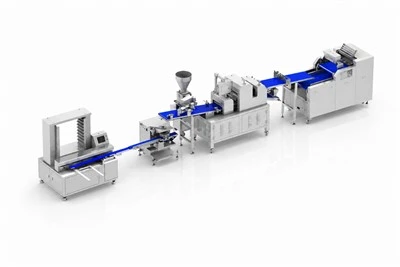
If you’re ready to talk about what a fancy bun production line would look like for your specific operation, whether you’re a small bakery just starting out or a large co-packer looking to expand, I’m here to help. We can walk through your production volume, your recipe needs, and your budget, and give you a realistic look at how long your line will last, plus a plan to keep it running for as many years as possible. Just reach out to our team to set up a consultation.
Automatic Mochi Production Line REFERENCES
- Food and Drug Administration. (2022). Food Equipment Maintenance and Sanitation Guidelines for Bakery Facilities.
- American Society of Baking. (2021). Industrial Food Production Equipment Lifespan Report.
- National Sanitation Foundation. (2020). Food-Grade Equipment Material Durability Standards for Confectionery and Bakery Products.
- Journal of Food Engineering. (2019). Mechanical Wear in Continuous Dough Processing Lines: Factors Affecting Operational Longevity.
Shanghai Longyu Electro-Mechanic Technology Co., Ltd.
Shanghai Longyu Electro-Mechanic Technology Co., Ltd. is one of the most professional fancy bun production line manufacturers and suppliers in China, featured by quality products and good service. Please feel free to wholesale advanced fancy bun production line made in China here from our factory. Also, custom service is available.
Address: No.66, Guangfulin East Road, Zhongshan Subdistrict, Songjiang District, Shanghai, China
E-mail: sales4@longyu-sh.com
WebSite: https://www.longyu-sh.com/
